1. Walk-through and sampling
The team inspects each room, notes signs of drug activity and takes samples from the likely trouble spots.
Gibson, AR · Pulaski County
Can a meth house be cleaned? Yes, in many cases. Call (877) 812-4220 in Gibson to ask how sampling, material removal and decontamination work, after law enforcement has released the property.
If anyone is in danger, call 911 first. For a suicide crisis, call or text 988.
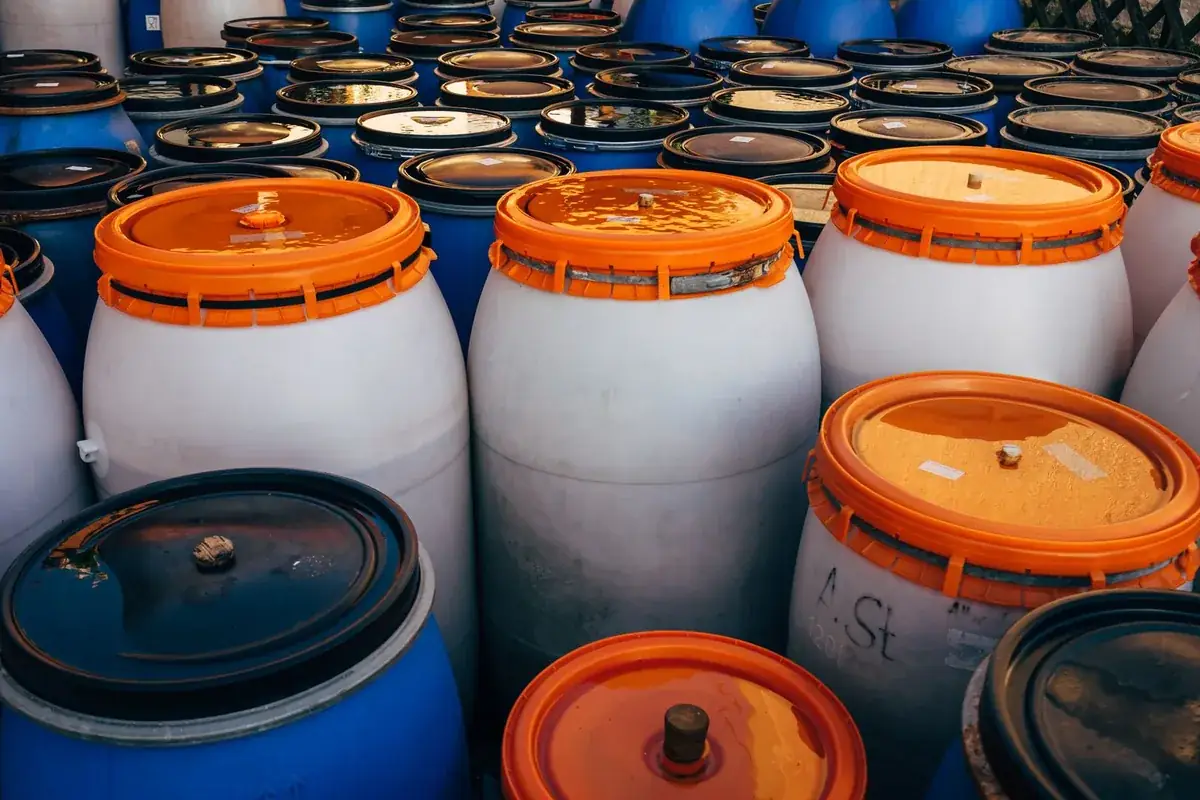
Meth residue testing means taking samples from walls, floors, vents and other surfaces and sending them to a lab. The results show which areas are affected and guide the cleanup plan.
If you are a buyer, lender or insurer in Gibson or Pulaski County asking for proof that a property is safe, talk to Gibson Biohazard Cleanup Help. You can discuss testing and cleanup, and what documentation is typically requested.
With about 56% of Gibson homes built before 1980, cleanup may involve older materials that need careful handling and testing. Renters make up about 43% of households in Pulaski County, so landlords often face the question of residue after a tenant leaves.
Drug Lab & Meth Lab Cleanup in Gibson usually includes:
The team inspects each room, notes signs of drug activity and takes samples from the likely trouble spots.
Soft or porous materials that hold residue come out first. Hard surfaces stay for cleaning.
Contaminated materials are bagged and hauled. Surfaces and air systems are cleaned using specialized methods.
Retesting shows whether the property is ready for use. If not, targeted cleaning is repeated.
Drug lab & meth lab cleanup in Gibson, AR typically costs $1,500 to $120,000, depending on the size of the affected area and the materials involved.
Access and travel play a part, as do stairs, multiple levels and out-buildings such as sheds or garages.
| Type of job | Typical range |
|---|---|
| Drug remediation projects | $5,000 - $25,000+ |
| Published span | $5,000 - $120,000+ |
| Drug lab cleanup | $5,000 - $50,000+ |
| Moderate contamination | $10,000 - $25,000 |
These ranges come from published cost guides (PushLeads, Drug biohazard cleanup cost guide, BioCleaners Directory, Biohazard cleanup company pricing guide) and are not a quote for Gibson. Price drivers include whether it was smoking or production, size of the home, air system contamination, testing before and after. For a real number, call (877) 812-4220.
Only after law enforcement releases the property. Investigators handle evidence and any dangerous chemicals first. Once the site is released, you can book testing and cleanup as the owner. Ask the agency when the release happens.
Reported effects include headaches, nausea, coughing, throat and eye irritation and skin problems. Children and pets are closest to floors and furniture. Anyone who feels ill should see a doctor or call Poison Control and mention the property.
A tester wipes or swabs defined areas of walls, floors, vents and other surfaces and sends the samples to a lab. The results show which areas hold residue. Testing happens before cleanup to plan the work and again afterward to check it.
Often, yes. Air systems can carry residue to every room. A team usually samples vents and ducts and cleans or replaces parts as needed. Ask whether the system is part of the testing plan, and whether filters and liners will be removed.
Specialized cleaning methods, not everyday sprays. Crews remove porous materials that hold residue, then clean hard surfaces and air systems in a set order. Household cleaners can spread residue, so a cleanup team and its testing plan are the safer route.
Signs can include chemical odors, stained walls or counters, burn marks, odd equipment and a history shared by police, neighbors or a prior owner. None of these is proof. Only testing can show whether residue is present. The local health department can point to next steps.
Residue is often invisible. Testing is how an owner finds out.
Call (877) 812-4220